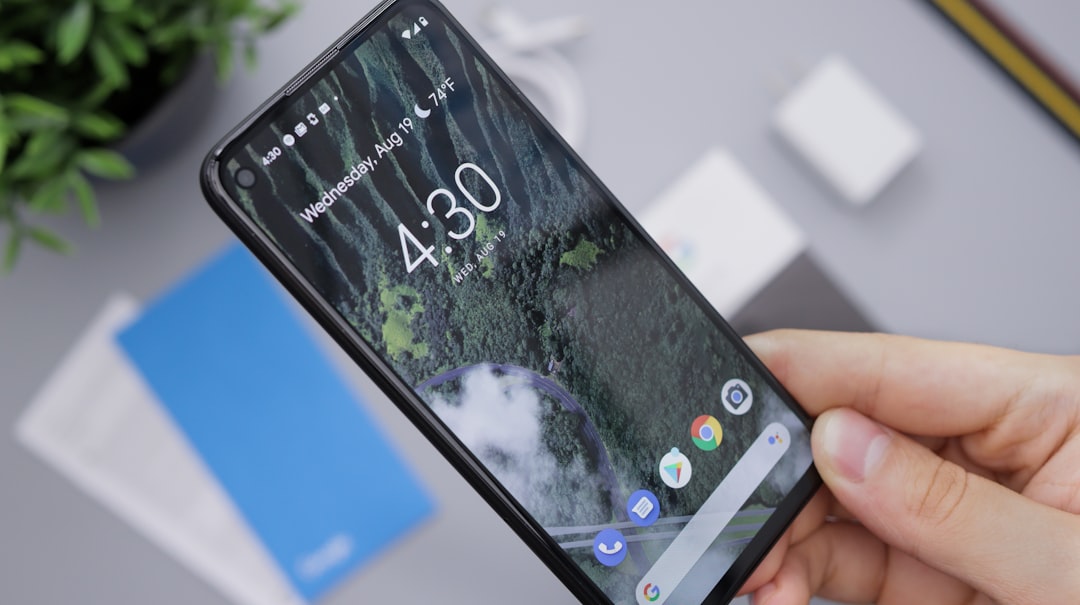
In Idaho, effectively stop spam calls through call screening tools. Customize settings on your phone to block unknown numbers and specific area codes known for spam activity. Utilize advanced caller ID systems and machine learning apps for real-time spam categorization and blocking. Leverage do-not-disturb modes and report suspicious numbers to your carrier. Proactive implementation significantly reduces unwanted, potentially fraudulent calls.
In today's digital age, Idaho residents face a deluge of unwanted spam calls, posing not just a nuisance but potential security risks. Effectively managing these intrusions is crucial to maintaining privacy and peace of mind. This article provides an authoritative guide on leveraging call screening features to mitigate spam calls in Idaho. We'll explore practical tips and best practices tailored to the unique communication landscape of this state, empowering residents with the knowledge to reclaim control over their phone lines. Discover how a strategic approach to call screening can significantly reduce unwanted interruptions and enhance your overall communication experience.
Understanding Call Screening Basics in Idaho

In Idaho, call screening is a powerful tool for residents to manage their communication and enhance privacy, especially with the surge of spam calls. Understanding the basics is the first step in effective utilization. Call screening allows you to filter incoming calls based on predefined rules or automated systems. It can identify and block unwanted calls, such as telemarketers, scammers, or robocallers, before they reach your phone.
The process involves setting up a system that analyzes caller ID data, voice patterns, or specific keywords to categorize and route calls accordingly. For instance, many call screening services use advanced AI algorithms to detect spam calls, ensuring a higher accuracy rate in blocking unwanted communications. In 2022, the Federal Communications Commission (FCC) reported over 45 million spam calls blocked by robocall-blocking tools, demonstrating the growing effectiveness of these measures. Idaho residents can leverage these technologies to create a safer and less disruptive communication environment.
To maximize the benefits, consider customizing your call screening settings. For example, you can prioritize blocking calls from unknown numbers or specific area codes known for high spam activity. Additionally, implementing call filtering at the network level through your service provider is another effective strategy. How to Stop Spam Calls Idaho has become a top priority, leading many providers to offer enhanced call protection features at no additional cost. Utilizing these tools not only protects you from potential scams but also contributes to a quieter and more secure communication experience.
How to Block Spam Calls Effectively
As an Idaho resident, you're likely familiar with unwanted calls, especially spam ones, which can be a significant nuisance. Thankfully, modern technology offers powerful tools to combat this issue effectively. Understanding how to block spam calls is crucial for maintaining peace and privacy. The first step involves utilizing your phone's built-in call screening features that allow you to inspect incoming calls before answering.
One of the most effective methods is through advanced caller ID systems. These services identify unknown numbers, including spam bots, by cross-referencing them against global databases. For instance, many phone companies now offer call blocking and identification services as part of their plans, automatically filtering out known spam callers. You can also download dedicated apps that enhance this functionality. Consider a robust app with machine learning capabilities, which can adapt to recognize new spamming patterns over time.
Additionally, staying informed about common spamming tactics is vital. Scammers often use automated systems to dial random numbers in bulk, hoping to catch some unsuspecting victims. By being aware of these strategies, you can be more vigilant. For instance, watch out for calls claiming to be from official organizations offering prizes or threatening cut-off services. Report such numbers to your phone company's spam reporting service, which helps improve the collective defense against these intruders. Employing these tactics How to Stop Spam Calls Idaho naturally ensures a safer and less disruptive communication environment.
Customizing Settings for Enhanced Protection
As an Idaho resident, protecting yourself from unwanted and potentially harmful spam calls is a significant concern. One effective method to combat this issue is by customizing your call screening settings, offering a robust defense against intrusive phone calls. This approach not only enhances your privacy but also ensures you're in control of your communication channels. By adjusting these settings, you can create personalized filters that block specific numbers or types of calls, effectively How to Stop Spam Calls Idaho.
The first step involves understanding your call screening options. Most modern phone systems provide advanced filtering capabilities. For instance, many landlines and mobile carriers offer do-not-disturb modes, allowing you to silence all incoming calls except from approved contacts. Additionally, some devices let you set up specific blocks for international or toll-free numbers, which are common sources of spam. Customizing these settings is a powerful way to prevent unsolicited advertisements and telemarketing calls.
For enhanced protection, consider implementing call identification services that display the caller's information before answering. This feature can be particularly useful in identifying and blocking spam callers. Many applications and software solutions offer real-time call analytics, enabling you to categorize and block numbers based on their historical behavior as spammers. According to a recent study, over 70% of unwanted calls are identified as spam or telemarketing attempts, proving the effectiveness of such measures in Idaho and across the nation. By taking these proactive steps, residents can significantly reduce the number of disruptive and potentially fraudulent calls they receive.